Working with the Postpartum Body: Manual Therapy and Movement Practices with Michael Watson
$69.88
$139.06
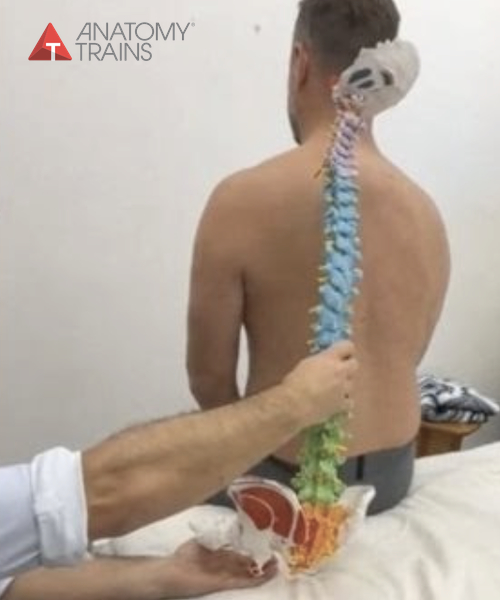
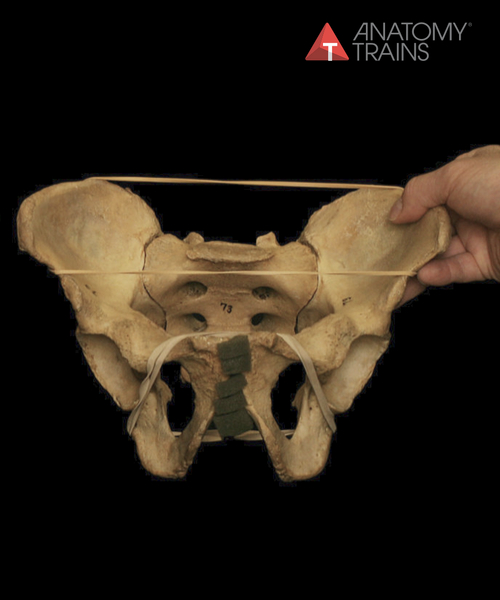
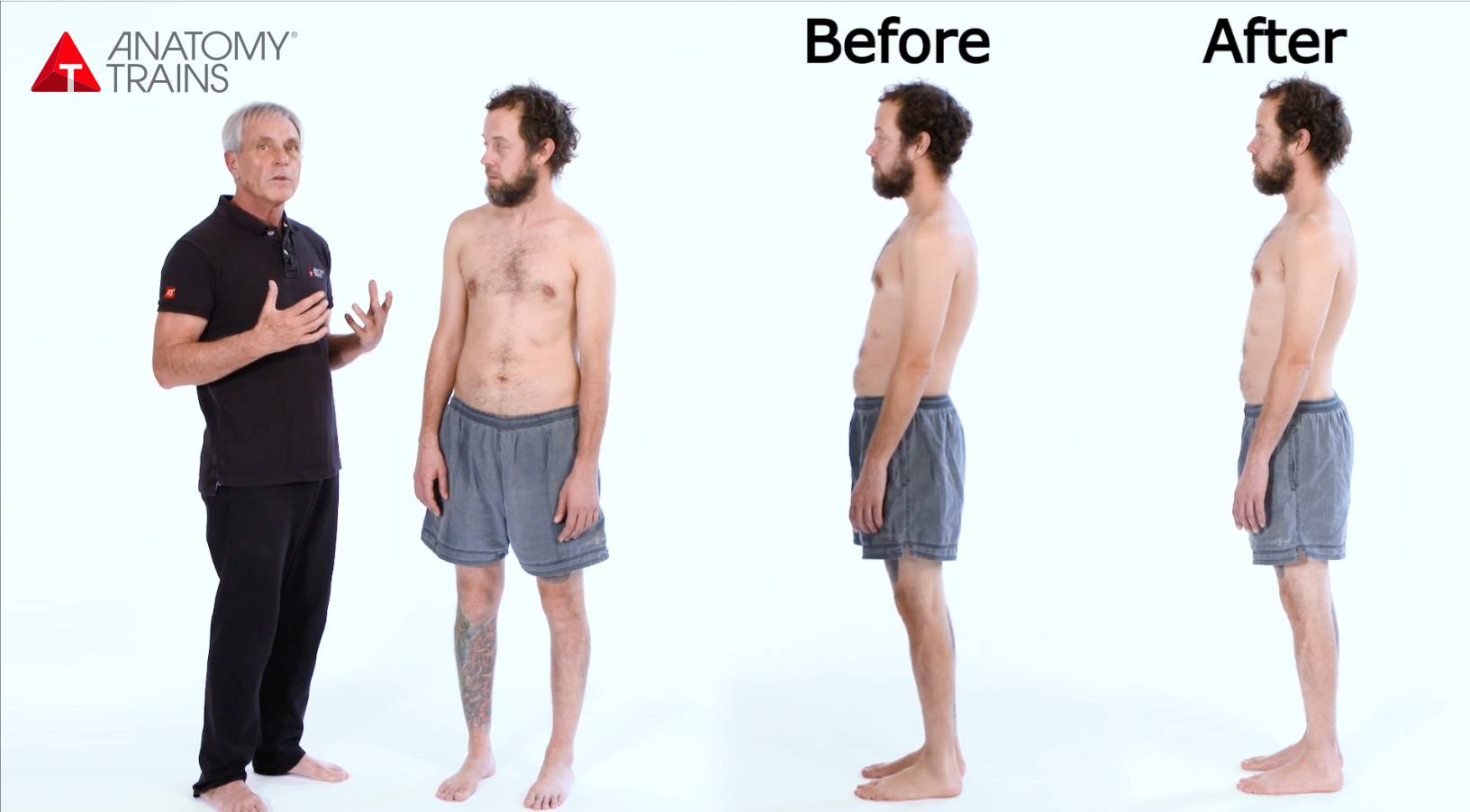
This webinar series is focused on working with women postpartum, presented by Anatomy Trains Senior teacher Michael Watson. This series is 4 x 2 hour webinar sessions, with a combination of anatomical principles and demonstrations on a live model for postural assessment, strategy, cueing, and manual and movement therapy for women postpartum. Session 1: Goals & Principles of Structural Integration in the Postpartum Body Duration: 2 hours Part 1: Foundations of SI in the Postpartum Period Introduction to Structural Integration: Ida Rolf’s legacy Understanding postpartum physiology and fascia: changes in the body’s tensegrity model Why SI matters postpartum: the role of gravity, structure, and sensory awareness Part 2: Core Goals of Postpartum SI Reestablishing core line and grounding Reorganizing pelvic-lumbar relationships Supporting myofascial decompression and hydration Enhancing somatic presence and psycho-emotional integration Part 3: Fascial Adaptations During Pregnancy & Birth Myofascial elongation and shortening patterns Pelvic diaphragm strain and tailbone torque Scar tissue impact (e.g., cesarean, episiotomy) Visceral repositioning and breath limitations Part 4: Body Mapping & Assessment Hands-on fascial listening SI-style body reading in standing and walking Identifying asymmetries in the pelvis, legs, and breath Postpartum timeline: when to begin and contraindications Practice Demo: Postpartum fascial glide tests and pelvic tilt assessment Session 2: The Pelvis, Core & Breath Duration: 2 hours Part 1: Pelvic Floor Integration Layers of the pelvic floor: anatomy, fascial connections (via the Deep Front Line) Addressing pelvic pain, prolapse, urinary incontinence Re-establishing tone and lift without over-contraction Part 2: Abdominal Wall & Diastasis Recti Fascial sheath of the rectus abdominis and transversalis SI strategies to support natural closure How to work without reinforcing splinting or bracing patterns Part 3: Breath & Core Coordination Rib cage mobility and postural restoration Relationship between breath, pelvic floor, and thoracic outlet Breathwork as a fascial decompression tool Practice Demo: Pelvic lift with breath awareness Fascial work around the pubic arch and iliacus Diaphragmatic decompression techniques Session 3: Reclaiming Spine, Ribs & Upper Body Duration: 2 hours Part 1: The Breastfeeding Body Forward head, collapsed sternum, internally rotated shoulders SI techniques to support spine length and thoracic decompression Working with the intercostals, serratus anterior, scalenes Part 2: Repatterning Arm & Shoulder Use Upper limb strain from carrying and lifting Fascia connections from shoulder to pelvis (Superficial Front/Back Lines) SI strategies for scapular release and clavicle opening Part 3: Restoring Spinal Continuity Lumbar compression patterns from birth positions and carrying T12, sacrum, and coccyx relationships SI work to restore spinal wave and segmental articulation Practice Demo: Rolfing-inspired side-lying spinal decompression Arm line fascial glide work Breast tissue and pectoral myofascial release (with consent & draping) Session 4: Integration, Movement & Psycho-Emotional Recovery Duration: 2 hours Part 1: Fascial Integration through Movement From table to movement: why movement is crucial postpartum Gait, posture, and dynamic balance restoration Rebuilding the spiral lines: contralateral movement and rotation Part 2: Psycho-Emotional Landscape of Postpartum Somato-emotional patterns in the pelvic floor and diaphragm Touch as safety: trauma-sensitive SI practice Listening touch and the importance of pacing Part 3: Creating a Personal Integration Plan Mapping a 5–12 session SI sequence for postpartum clients Adapting the 12-Series or Principles Model Home exercises and movement prescriptions Practice Demo: Standing wave exercise Embodied cueing for core and pelvic floor Partner touch practice: listening hands on sacrum Previously presented live via Zoom, August 2025 Run time: Approximately 8 hours Note: This course is designed for educational purposes only. Pilates and yoga instructors and fitness trainers are not legally licensed to perform some of the techniques presented. However, by gaining a deeper understanding of the conditions, anatomy, and therapy approaches discussed, movement practitioners will be better equipped to support their clients within the legal scope of their massage practice.